
Music Lessons at DEA Manhattan
Music Lessons That Turn Practice Into Progress.
Personalized music instruction that helps students build strong technique, creative expression, and the confidence to play, sing, and perform.
DEA Music & Art Manhattan offers private music lessons for children, teens, and adults at every experience level. Our instructors combine technical development with music students genuinely enjoy, creating a learning experience shaped around each student’s interests, pace, and goals.
Students build musicianship through focused instruction and real creative experiences.
Flexible Options for Growing Musicians
Whether your student is just beginning or building toward bigger musical goals, DEA Manhattan offers flexible class packages and memberships for personalized music instruction.
Music Lesson Packages
Choose a prepaid lesson package for piano, voice, guitar, violin, drums, and other personalized music instruction. Packages are valid for six months.
Music Memberships
Memberships are designed for students who want consistent instruction, ongoing skill development, and a regular creative routine with their DEA teacher.
Not sure where to start?
Meet an instructor and experience a personalized DEA music lesson before choosing your package or membership.
Music Lessons in Manhattan
Find the Instrument That Moves Your Child.
From a student’s first notes to advanced performance preparation, DEA offers personalized music instruction that builds technique, confidence, creativity, and a lasting love of music.
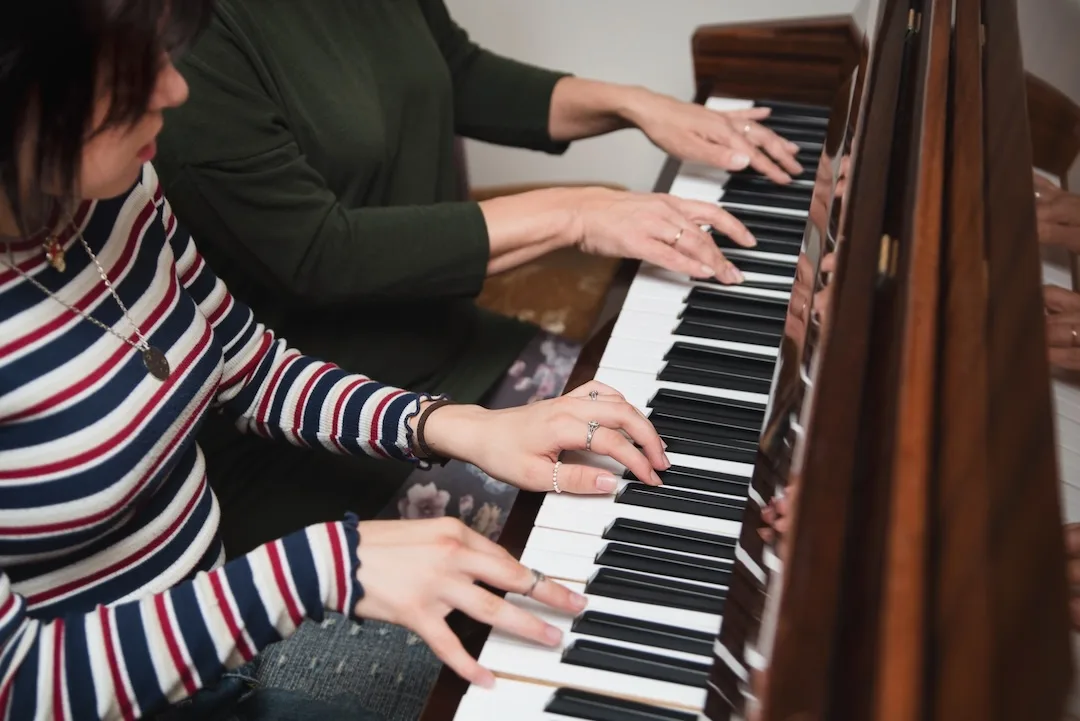
Piano Lessons
Build a strong musical foundation through technique, note reading, rhythm, ear training, and repertoire selected around each student’s age, goals, and interests.
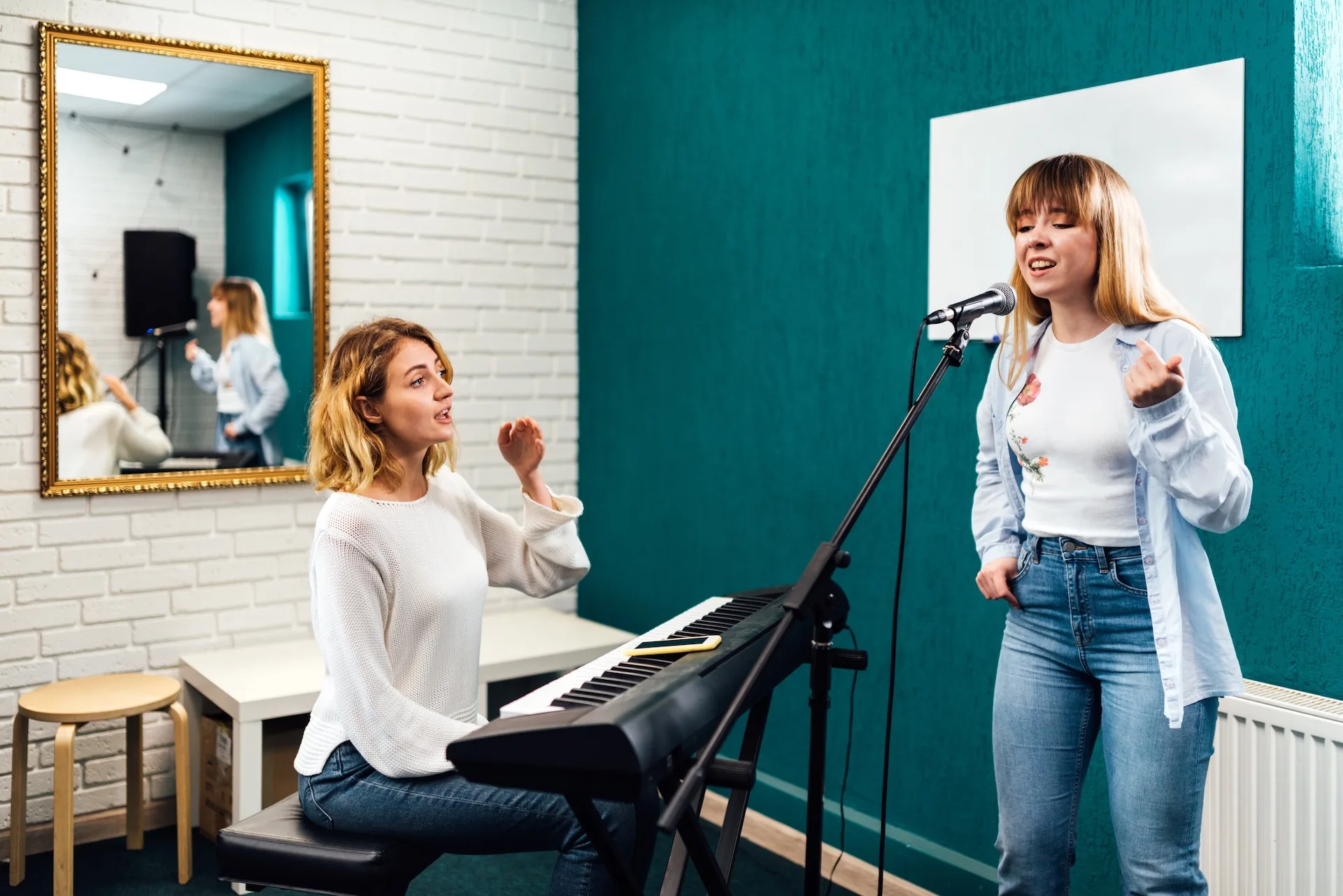
Vocal Lessons
Develop healthy vocal technique, breath support, pitch, tone, stage presence, and the confidence to communicate through song.
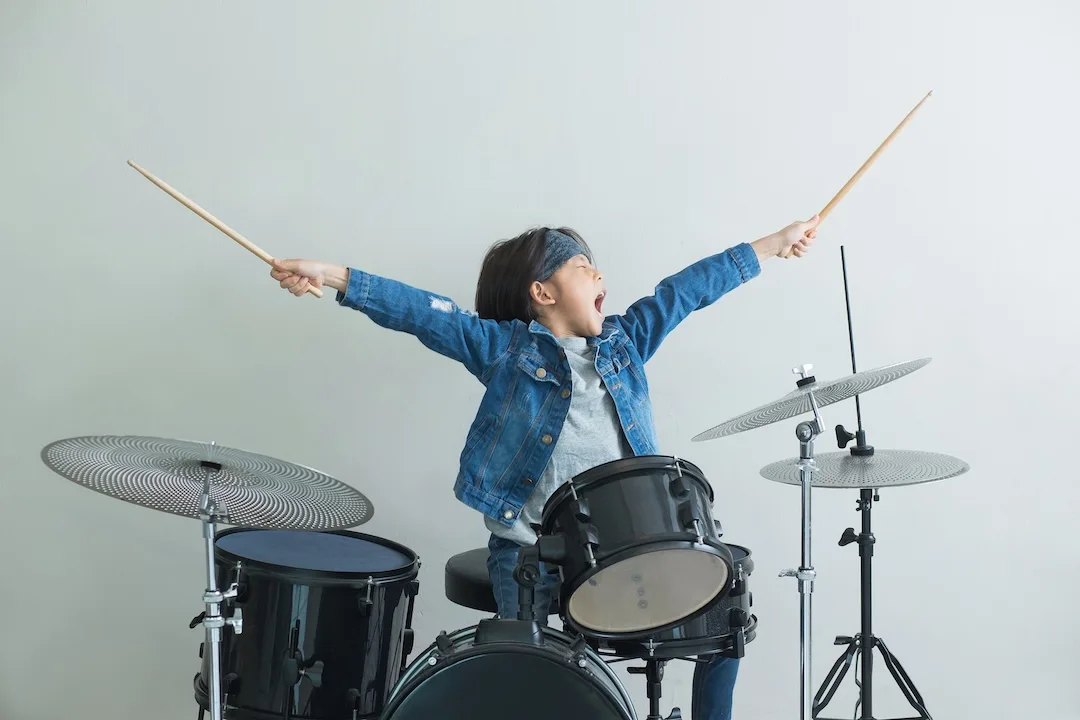
Drum Lessons
Learn timing, coordination, grooves, fills, reading, and musical expression through energetic lessons built around real music.
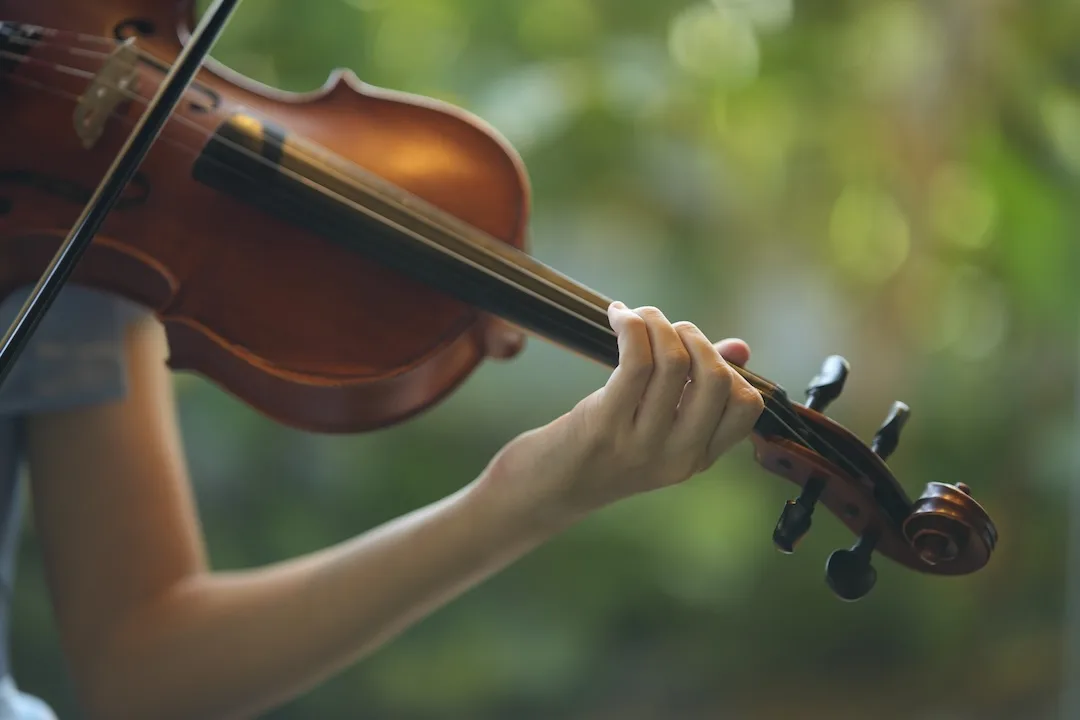
Violin Lessons
Develop posture, bow control, intonation, reading, and expressive playing through a balance of classical foundations and motivating music.
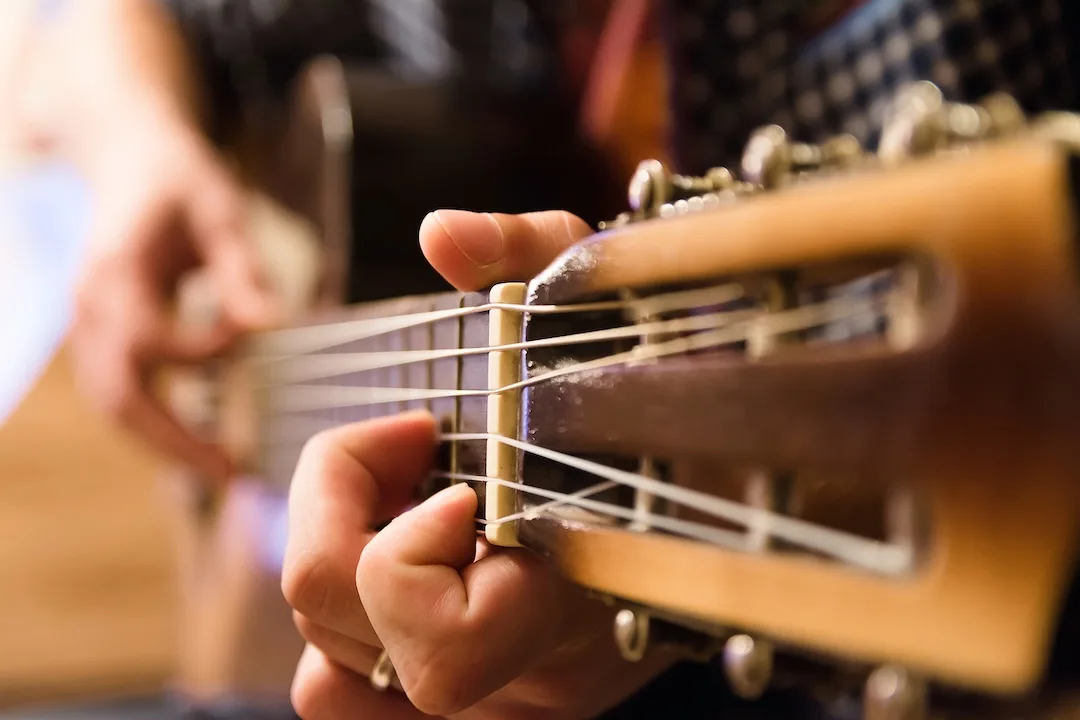
Guitar Lessons
Explore acoustic or electric guitar through chords, riffs, technique, theory, improvisation, songwriting, and songs students are excited to play.
The DEA Learning Process
How Musicians Grow at DEA.
Strong musicians are not built through repetition alone. DEA combines focused instruction, purposeful practice, creative exploration, and real performance experience to help students grow with confidence and independence.
Build the Fundamentals
Students develop the technical foundation needed to play with control, accuracy, and musical understanding.
Practice With Purpose
Teachers help students understand what to practice, how to practice, and how consistent effort turns challenges into visible progress.
Find Their Own Sound
As skills grow, students explore repertoire, interpretation, improvisation, and creative choices that make their music personal.
Perform With Confidence
Recitals, showcases, and performance opportunities help students prepare, communicate, and feel proud of what they have accomplished.
Better musicianship is only part of the growth.
DEA students learn how to focus, solve problems, express themselves, prepare for meaningful goals, and keep going when something feels difficult. Those skills support them in music and far beyond the studio.
Personalized From the First Note
Inside a DEA Music Lesson.
Every lesson is shaped around the individual student. Teachers balance structured skill development with music that feels motivating, relevant, and connected to each student’s interests and goals.
No two DEA music lessons need to look exactly the same.
A young beginner, an experienced performer, and an adult returning to music all need different kinds of guidance. DEA teachers adjust the lesson to the student in front of them.
Connect and Set the Focus
The teacher checks in, reviews recent progress, and identifies what the student will focus on during the lesson.
Strengthen Core Skills
Students work on posture, sound production, rhythm, reading, coordination, breath, or another technical priority.
Apply Skills Through Real Music
Technique becomes meaningful as students use it in songs, exercises, repertoire, and music selected around their interests.
Explore and Make Musical Choices
Students may improvise, interpret, compose, experiment with tone, or make choices that help the music feel like their own.
Leave With a Clear Practice Plan
Students finish knowing what to work on, how to approach it, and what progress should look and sound like before the next lesson.
Students should leave encouraged, not overwhelmed.
DEA teachers break goals into manageable steps and help students understand how to practice productively. The goal is consistent, sustainable progress rather than pressure or perfection.
Beyond the Practice Room
Real Opportunities to Perform and Grow.
Music becomes more meaningful when students have something to work toward. DEA creates opportunities to prepare, collaborate, perform, and experience the pride that comes from sharing their progress with others.
Confidence is built before the student ever steps on stage.
Every performance begins with preparation. Students learn how to set a goal, work through difficult sections, manage nerves, recover from mistakes, and communicate through music.
Student Recitals
Students prepare polished music and experience what it feels like to share their progress in front of a supportive audience.
Ensembles and Group Projects
Students may collaborate with other musicians, learning how to listen, stay together, support one another, and contribute to a shared musical result.
Showcases and Special Events
Performances, studio events, and special projects give students new goals and memorable ways to celebrate their development.
Auditions and Advanced Goals
Students working toward auditions, competitions, school programs, or advanced repertoire receive focused preparation and detailed feedback.
Performing teaches students how to prepare for something meaningful.
The goal is not perfection. It is learning how to stay focused, manage nerves, recover when something unexpected happens, and feel proud of the work required to reach the stage.